
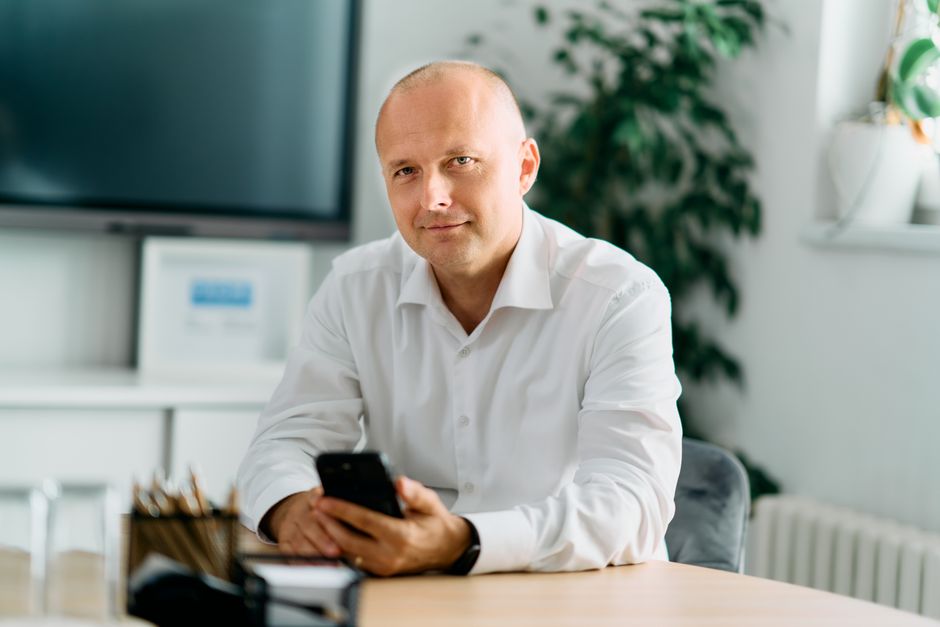
Pavel Durov: The Enigmatic Architect of Telegram and the Unwavering Advocate for Digital Freedom
The name Pavel Durov is inextricably linked to Telegram, a messaging application that has rapidly ascended to global prominence, lauded for its robust security features and unwavering commitment to user privacy. However, Durov’s journey is far more complex than simply being the CEO of a tech giant. It’s a narrative woven with threads of defiance, technological innovation, and a deep-seated conviction in the principles of digital freedom, a journey that has seen him navigate international scrutiny, legal battles, and a persistent pursuit of an uncompromised platform. His story is one of an individual who, from his early days in Russia to his current global operations, has consistently placed user autonomy and data protection at the forefront of his endeavors, often at significant personal and professional cost. Understanding Pavel Durov requires delving into his formative experiences, his philosophical underpinnings, and the strategic decisions that have shaped Telegram into the formidable entity it is today.
Born in Leningrad (now St. Petersburg), Russia, in 1984, Pavel Durov’s early life was marked by a keen intellect and a nascent fascination with technology. His father, Valery Durov, was a professor of philology, an academic background that perhaps subtly influenced Pavel’s later emphasis on clear communication and the power of information. However, it was Pavel’s burgeoning interest in computers and coding that truly set him on his path. His early forays into the digital world were not merely academic; they were characterized by a DIY spirit and a willingness to push boundaries. He reportedly began developing websites and online forums during his university years, showcasing an entrepreneurial drive that would define his career. This formative period instilled in him a profound understanding of the internet’s potential and its inherent vulnerabilities, shaping his future vision for secure and open communication.
Durov’s breakthrough came with the creation of VKontakte (VK), Russia’s largest social networking service, often dubbed "Russia’s Facebook." Launched in 2006, VK quickly gained traction, mirroring the rapid growth of Facebook in Western markets. Durov, as its co-founder and CEO, was instrumental in its design, functionality, and user experience. VK became more than just a social network; it evolved into a hub for information sharing, a platform where users could connect, communicate, and consume content freely. However, it was during his tenure at VK that Durov first encountered the formidable pressures of state interference. The Russian government began demanding access to user data and, more critically, the removal of content deemed undesirable by authorities. Durov, true to his developing ethos, resisted these demands, believing that compromising user privacy would fundamentally undermine the platform’s integrity and the trust of its millions of users. This early stand against censorship and state overreach foreshadowed his later battles on a global scale.
The conflict with the Russian government over VK escalated, culminating in a dramatic showdown. In 2011, during the height of anti-government protests, Durov famously posted a picture of himself sticking out his tongue at the FSB (Russia’s Federal Security Service), a symbolic act of defiance against their demands. This act, widely reported, cemented his reputation as a maverick and a staunch defender of digital liberty. The pressure continued to mount, and by 2014, Durov was forced to relinquish his ownership stake in VK. This ousting, however, did not signal an end to his technological endeavors. Instead, it marked the beginning of a new, more globally focused chapter. The experience with VK, while ultimately leading to his departure, provided him with invaluable lessons about the critical importance of building platforms that were not beholden to any single government’s dictates or susceptible to their pressure.
It was in 2013, while still embroiled in the VK saga, that Durov launched Telegram. The genesis of Telegram was born from a desire to create a communication tool that offered a level of privacy and security far beyond what was then available. Durov’s vision was to build a platform where users could communicate freely and securely, without the fear of surveillance or censorship. He conceptualized a decentralized architecture and implemented end-to-end encryption as a core feature, ensuring that only the sender and receiver could access message content. This was a deliberate departure from the practices of many existing messaging applications that held encryption keys, allowing them to potentially access user communications. Telegram’s commitment to privacy was not just a marketing slogan; it was deeply embedded in its technical design and Durov’s personal philosophy.
The early days of Telegram were characterized by a lean operation and a commitment to organic growth. Durov famously operated with minimal funding and a small team, emphasizing efficiency and a user-centric approach. He consciously avoided traditional advertising and relied on word-of-mouth and the platform’s inherent strengths to attract users. This strategy proved remarkably effective, particularly in regions where internet freedom was under threat or where users were seeking an alternative to platforms perceived as less secure. Telegram’s ability to facilitate secure group chats, large file transfers, and its customizable interface further contributed to its rapid adoption. The platform’s open API also encouraged third-party developers to build innovative bots and integrations, fostering a vibrant ecosystem around Telegram.
One of Durov’s most significant and defining characteristics is his unwavering commitment to decentralization and his staunch opposition to centralizing power. He has repeatedly emphasized that Telegram’s infrastructure is designed to be as distributed as possible, making it difficult for any single entity, including governments, to shut down or control the service. This philosophical stance has led to significant challenges, including legal battles and attempts by various countries to block the application. Durov, however, has consistently met these challenges head-on, often with a defiant resolve. His decision to make Telegram free and ad-free, funded through his personal wealth and later through token sales via the TON (Telegram Open Network) project, further underscores his commitment to maintaining the platform’s independence and avoiding reliance on data monetization models that could compromise user privacy.
The TON project, though ultimately facing regulatory hurdles and a subsequent rebranding, represented Durov’s ambitious vision to create a decentralized ecosystem encompassing payments, storage, and domain names, all built on blockchain technology. While the original TON project was met with legal opposition from the U.S. Securities and Exchange Commission (SEC), forcing Telegram to abandon its direct involvement, Durov’s spirit of innovation and his belief in decentralized solutions remained undimmed. This episode, while a setback, highlighted the complex regulatory landscape that disruptive technologies often face and Durov’s willingness to explore new frontiers in decentralized technology.
Durov’s approach to censorship and data requests is characterized by a firm principle: Telegram does not and will not share user data with third parties, including governments, unless legally compelled to do so and only if such compulsion is demonstrably lawful and universally applied. Even then, the information disclosed is limited to the extent required by law, and users are typically notified. This policy has made Telegram a sanctuary for activists, journalists, and individuals living under authoritarian regimes who rely on the platform for secure communication. However, this unwavering stance has also put Durov and Telegram at odds with governments around the world, leading to various attempts to block the service, most notably in Russia, Iran, and more recently, discussions and scrutiny in countries like India and Brazil.
The concept of "freed" in relation to Pavel Durov is multifaceted. It refers to his personal liberation from the restrictive environment of his native Russia, allowing him to pursue his vision of digital freedom on a global stage. It also signifies the freedom he strives to provide to his users – freedom from surveillance, freedom from censorship, and freedom to communicate without fear. Durov himself lives a largely nomadic lifestyle, avoiding any single permanent residence, a deliberate choice to maintain his independence and evade the influence or jurisdiction of any one government. This nomadic existence is not merely a personal quirk; it’s a practical manifestation of his commitment to remaining uncompromised and beholden to no authority. His transparency about his own finances, often attributed to his early success with VK and subsequent investments, allows him to fund Telegram without needing to compromise its principles for commercial gain.
The ongoing evolution of Telegram under Durov’s leadership continues to be defined by innovation and a steadfast adherence to its core values. Features like channels, where users can broadcast messages to an unlimited audience, have become powerful tools for information dissemination and community building. The platform’s continuous efforts to enhance its security protocols, including exploring quantum-resistant encryption, demonstrate a forward-looking approach to safeguarding user data in an ever-changing technological landscape. Durov’s occasional public pronouncements, often delivered via his own Telegram channel, are closely watched for their insights into his strategic thinking and his unwavering commitment to the principles that underpin Telegram.
In conclusion, Pavel Durov is far more than a tech CEO; he is an architect of digital freedom, a maverick who has consistently prioritized user privacy and autonomy above all else. His journey, from the creation of Russia’s largest social network to the establishment of a global secure messaging platform, is a testament to his vision, his resilience, and his unwavering commitment to a decentralized and uncompromised digital future. The concept of Durov being "freed" encapsulates not only his personal liberation from restrictive environments but also the freedom he champions for billions of users worldwide, a freedom rooted in the belief that communication should be private, secure, and free from unwarranted intrusion. His influence extends beyond mere technology; it is a philosophical stance against the encroaching forces of surveillance and censorship in the digital age.
