

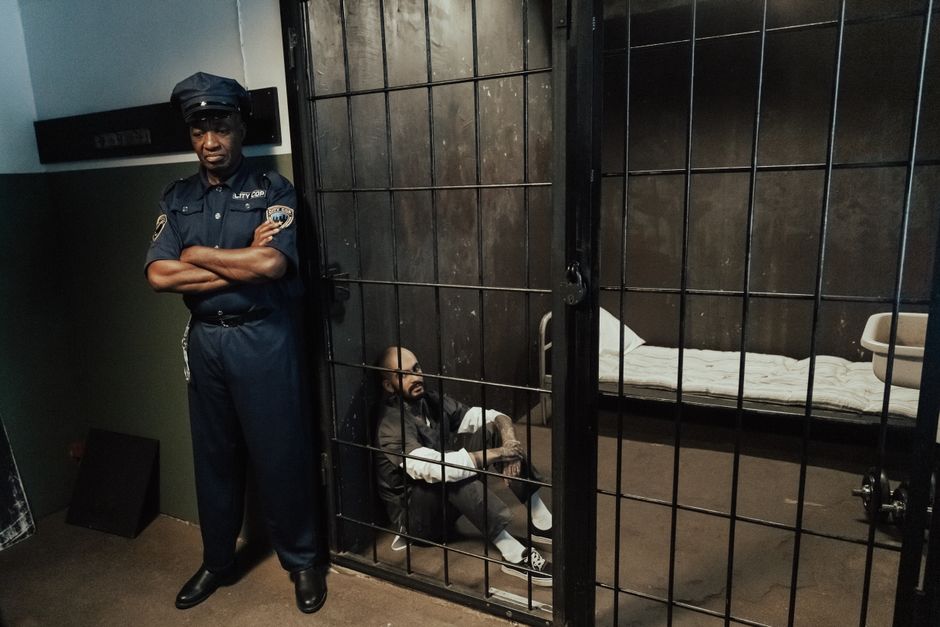
Sam Bankman-Fried’s Jail Term: A Deep Dive into the Legal Proceedings and Sentencing
The sentencing of Sam Bankman-Fried, former CEO of the now-defunct cryptocurrency exchange FTX, to a substantial prison term has reverberated through the financial and legal worlds. This article provides a comprehensive, SEO-friendly analysis of the events leading to his conviction and the subsequent sentencing, exploring the charges, the trial, and the implications of this high-profile case. Bankman-Fried was convicted on seven counts of fraud and conspiracy, stemming from the collapse of FTX and its sister hedge fund, Alameda Research. The prosecution successfully argued that Bankman-Fried orchestrated a massive scheme to defraud customers and investors, misappropriating billions of dollars in customer funds deposited on FTX to finance speculative investments through Alameda, make lavish political donations, and purchase luxury real estate. The sentencing hearing, which followed the conviction, was a crucial juncture where the judge weighed the severity of the crimes against Bankman-Fried’s background and his remorse, or lack thereof, as presented by both the defense and prosecution. The ensuing jail term, initially set at 25 years by U.S. District Judge Lewis Kaplan, signifies a significant legal precedent in the nascent field of cryptocurrency regulation and enforcement.
The Collapse of FTX and the Genesis of the Charges
The implosion of FTX in November 2022 was a catastrophic event that sent shockwaves across the global financial markets. Founded in 2019, FTX rapidly ascended to become one of the world’s largest cryptocurrency exchanges, attracting millions of users and billions in assets. However, beneath its veneer of success, a complex web of financial malfeasance was unraveling. Investigations revealed a severe commingling of funds between FTX and Alameda Research, a quantitative trading firm also founded by Bankman-Fried. Alameda, it was alleged, was allowed to borrow unlimited amounts of customer funds from FTX, a clear violation of fiduciary duties and financial regulations. This access to seemingly limitless capital fueled risky trading strategies and led to substantial losses. When market conditions soured, particularly with the collapse of other crypto assets, Alameda’s liabilities became unsustainable, triggering a liquidity crisis at FTX. The exchange was unable to meet customer withdrawal requests, leading to its swift bankruptcy. The subsequent investigations by federal authorities, including the U.S. Department of Justice and the Securities and Exchange Commission (SEC), unearthed evidence of widespread fraud. Bankman-Fried was arrested in December 2022 and extradited to the United States to face charges. The primary charges revolved around wire fraud, securities fraud, and money laundering, all aimed at proving his intent to defraud and his systematic deception of customers and investors.
The Trial and the Prosecution’s Case
The trial of Sam Bankman-Fried, which commenced in October 2023, was a meticulously crafted presentation of evidence by the prosecution. The U.S. Attorney’s Office for the Southern District of New York built its case on the testimony of several key witnesses, many of whom were former insiders at FTX and Alameda. These included Caroline Ellison, the former CEO of Alameda Research and Bankman-Fried’s ex-girlfriend, who provided crucial firsthand accounts of the fraudulent scheme. Ellison testified about the desperate financial situation at Alameda and Bankman-Fried’s directives to use customer funds to cover its debts. Other witnesses, such as Nishad Singh, FTX’s former director of engineering, and FTX co-founder Gary Wang, corroborated Ellison’s testimony, detailing how they helped create the mechanisms for siphoning customer funds and the elaborate deception employed to conceal these actions. The prosecution presented a wealth of documentary evidence, including internal communications, financial records, and trading logs, all of which painted a damning picture of Bankman-Fried’s alleged culpability. They emphasized the sheer scale of the fraud, highlighting how billions of dollars in customer assets were irresponsibly gambled away. The core of the prosecution’s argument centered on proving Bankman-Fried’s intent – that he knowingly and deliberately engaged in fraudulent activities to benefit himself and his affiliated entities at the expense of FTX’s customers. They sought to dismantle any narrative that suggested he was merely a victim of unforeseen market circumstances or that the issues were simply a result of poor management.
The Defense’s Strategy and Bankman-Fried’s Testimony
The defense, led by Mark Cohen, faced a formidable challenge in refuting the overwhelming evidence presented by the prosecution. Their strategy primarily focused on portraying Bankman-Fried as a well-intentioned but ultimately overwhelmed entrepreneur who made mistakes but did not intentionally commit fraud. They attempted to shift blame to other individuals and argued that the misuse of customer funds was a consequence of operational failures and poor risk management, rather than a deliberate criminal enterprise. A critical element of the defense’s strategy was for Bankman-Fried himself to take the stand. This was a high-risk, high-reward gamble. During his testimony, Bankman-Fried acknowledged that Alameda had borrowed funds from FTX but maintained that he believed there was a "setoff" provision that allowed for such transfers. He also admitted to making errors in judgment and mismanaging risk, particularly in the volatile cryptocurrency market. However, he consistently denied any intent to defraud. He painted himself as a visionary who was focused on growing his businesses and making a positive impact, and who was blindsided by the speed and severity of the market downturn. The defense tried to humanize him, presenting him as a young, brilliant individual who may have been in over his head. However, his demeanor and the consistency of his denials in the face of damning testimony from former colleagues proved to be a significant hurdle.
The Verdict and the Conviction
On November 2, 2023, after a jury deliberated for approximately four hours, Sam Bankman-Fried was found guilty on all seven counts of fraud and conspiracy. The swiftness of the verdict underscored the jury’s confidence in the prosecution’s case. The conviction included:
- Two counts of wire fraud conspiracy: These relate to the conspiracy to defraud FTX customers and lenders.
- Two counts of wire fraud: These relate to the actual commission of wire fraud in defrauding FTX customers and lenders.
- One count of conspiracy to commit money laundering: This relates to the conspiracy to launder money derived from the fraudulent activities.
- One count of conspiracy to commit commodities fraud: This relates to the conspiracy to defraud customers in relation to commodity transactions.
- One count of conspiracy to commit securities fraud: This relates to the conspiracy to defraud customers in relation to securities transactions.
The guilty verdict marked a significant victory for federal prosecutors and a major turning point in the regulation and oversight of the cryptocurrency industry. It sent a clear message that the era of unchecked innovation in this space was coming to an end, and that perpetrators of financial crimes would be held accountable.
The Sentencing Hearing and the Judge’s Rationale
The sentencing hearing, held on March 28, 2024, was the culmination of the legal proceedings. U.S. District Judge Lewis Kaplan presided over the case and was tasked with determining the appropriate sentence for Bankman-Fried. The prosecution recommended a sentence of 40 to 50 years, citing the immense financial harm caused to victims and the egregious nature of the fraud. They emphasized Bankman-Fried’s lack of remorse and his continued attempts to downplay his responsibility. The defense, on the other hand, argued for a much lighter sentence, ideally around 6.5 years, highlighting Bankman-Fried’s youth, his lack of prior criminal record, and his potential to contribute positively to society in the future through legitimate ventures. They also presented letters from his family and friends, portraying a more sympathetic side of his character.
Judge Kaplan’s decision to impose a 25-year jail term reflected a careful consideration of the arguments presented by both sides, as well as the gravity of the offenses. In his remarks, the judge did not mince words. He stated that Bankman-Fried had shown a "stunning and cynical disregard for the rights and interests of others" and that his actions were driven by arrogance and a belief that he was above the law. He rejected the defense’s claims that Bankman-Fried was merely a victim of circumstance or that his actions were unintentional. Judge Kaplan’s rationale for the substantial sentence was multifaceted. He emphasized the scale of the financial losses, which amounted to billions of dollars, and the devastating impact on FTX customers who lost their life savings. He also pointed to the repeated lies and deceptions employed by Bankman-Fried to conceal his fraudulent activities. The judge also factored in the abuse of trust that Bankman-Fried, as the CEO of a major financial institution, had inflicted upon his customers and investors. The sentence was intended to be punitive, serving as a deterrent to others who might contemplate similar financial crimes. Furthermore, the lengthy term was designed to reflect the need for incapacitation, preventing Bankman-Fried from engaging in further fraudulent activities.
The Impact and Future Implications
Sam Bankman-Fried’s jail term is a landmark event with significant implications for the cryptocurrency industry and financial regulation.
- Increased Regulatory Scrutiny: The FTX collapse and Bankman-Fried’s conviction have intensified calls for more robust regulation of the cryptocurrency market. Governments worldwide are likely to expedite the implementation of stricter rules governing exchanges, stablecoins, and digital asset trading.
- Investor Confidence: While the conviction may deter some speculative behavior, it also aims to restore a degree of trust in the regulated financial system. Investors who were burned by FTX may be more hesitant to engage with unregulated platforms.
- Precedent for Future Cases: This case establishes a strong precedent for prosecuting individuals involved in fraudulent activities within the crypto space. It signals that regulators and law enforcement agencies are equipped and determined to pursue such cases.
- Repercussions for the Crypto Industry: The industry faces a period of introspection and likely restructuring. Companies will need to prioritize transparency, robust compliance, and responsible risk management to regain public and regulatory confidence.
- Civil Litigation: Beyond the criminal proceedings, numerous civil lawsuits have been filed against Bankman-Fried and related entities by customers, investors, and other stakeholders seeking to recover their losses. The criminal sentence will likely influence the outcomes of these civil actions.
The legal journey of Sam Bankman-Fried, from a celebrated crypto mogul to a convicted felon serving a substantial jail term, serves as a stark reminder of the critical importance of ethical conduct, transparency, and accountability in the financial world, regardless of the underlying technology. The case highlights the challenges and evolving landscape of digital asset regulation and the determination of legal systems to uphold financial integrity.

