The modern corporate landscape is defined by an increasingly complex web of regulatory requirements, ranging from the European Union’s General Data Protection Regulation (GDPR) to the burgeoning AI Act and the United States’ stringent SEC cybersecurity disclosure rules. To navigate this environment, organizations have pivoted toward Governance, Risk, and Compliance (GRC) platforms. These digital ecosystems are designed to synchronize an organization’s risk management strategies with its compliance obligations, utilizing internal policies and robust governance frameworks. By mapping risks, automating repetitive workflows, and generating real-time audit-ready reports, GRC platforms have become the backbone of operational resilience.
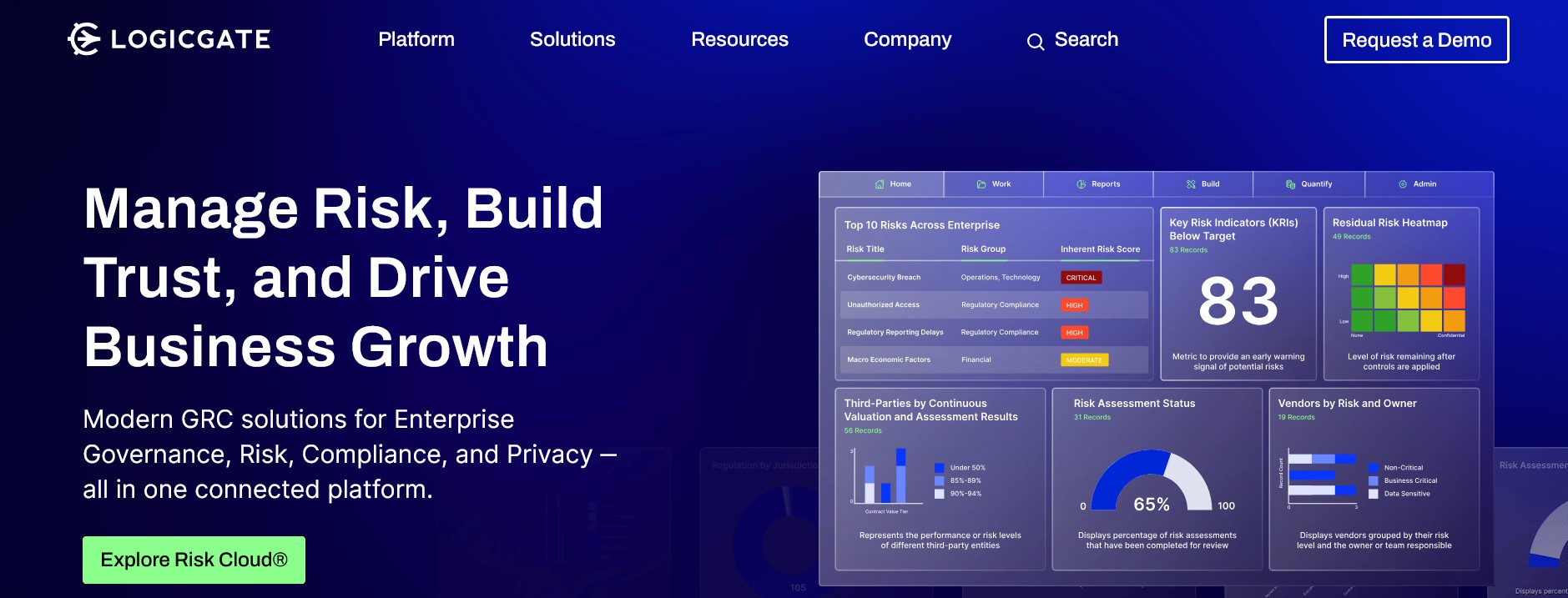
Among the prominent players in this sector is LogicGate, known for its Risk Cloud—a no-code platform that utilizes drag-and-drop tools to build customized GRC workflows. While LogicGate’s flexibility has made it a favorite for organizations seeking high levels of configuration, it is not without its drawbacks. Industry feedback and user reports frequently highlight a steep learning curve and a user interface that can feel less intuitive than newer, automation-first competitors. As the GRC market is projected to grow from $54.61 billion in 2023 to over $134 billion by 2030, the demand for more streamlined, AI-driven alternatives has reached a fever pitch. This analysis explores the leading alternatives to LogicGate, evaluating their technical capabilities, market positioning, and suitability for various organizational scales.
The Evolution of GRC: From Spreadsheets to AI-Native Automation
The history of GRC software is a narrative of increasing integration and automation. In the early 2000s, following the Enron scandal and the subsequent passage of the Sarbanes-Oxley Act (SOX), compliance was largely a manual process managed through disparate spreadsheets and siloed databases. This "siloed" approach often led to "compliance fatigue," where organizations duplicated efforts across different regulatory frameworks.
By the 2010s, Integrated Risk Management (IRM) platforms began to emerge, aiming to provide a "single pane of glass" view of an organization’s risk posture. LogicGate was a product of this era, focusing on the democratization of workflow building through no-code interfaces. However, the current era—beginning around 2018 with the rise of SaaS-specific compliance—has shifted toward "Continuous Controls Monitoring" (CCM). Modern platforms no longer just track compliance; they actively monitor an organization’s digital environment to identify and remediate gaps in real-time.
Leading LogicGate Alternatives: A Technical Comparison
1. AuditBoard: The Enterprise Standard for Connected Risk
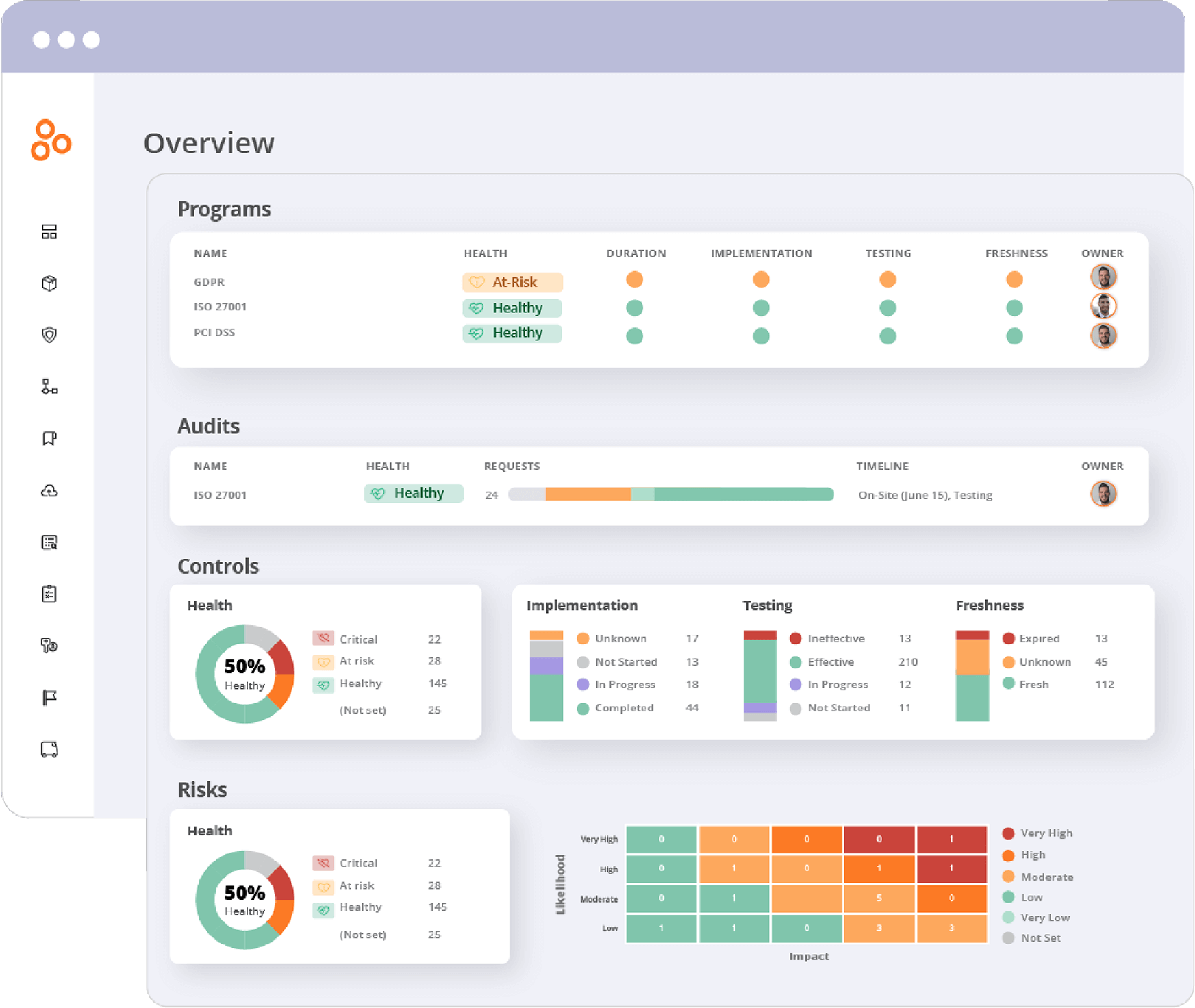
AuditBoard has established itself as a premier "connected risk" platform, specifically targeting mid-to-large-scale enterprises. Unlike legacy systems that act as passive repositories, AuditBoard utilizes a "Unified Data Core" to bridge the gap between internal audits, SOX compliance, and enterprise risk management (ERM).
Key Features and Capabilities:
AuditBoard’s strength lies in its ability to centralize data across various departments, ensuring that a change in a risk assessment in one area is immediately reflected across the entire compliance ecosystem. Its "OpsAudit" module streamlines the lifecycle of internal audits, while "CrossComply" allows for the mapping of controls across multiple frameworks like SOC 2, ISO 27001, and NIST.
Market Positioning:
- Pros: Exceptional reporting capabilities, high user satisfaction for its intuitive interface, and robust integration with existing ERP and cloud infrastructure.
- Cons: The platform’s comprehensive nature may result in a higher price point and a longer implementation timeline compared to startup-focused tools.
2. Vanta: The Pioneer of Automated Evidence Collection
Vanta entered the market with a disruptive focus on automation, primarily serving the needs of fast-growing technology startups and mid-market firms. Vanta’s core value proposition is the reduction of manual evidence collection, which traditionally accounts for hundreds of human hours during an audit.
Technical Innovation:
Vanta utilizes API-based integrations to connect directly with an organization’s tech stack—including AWS, GitHub, Okta, and Slack. Its AI agents continuously monitor these systems to ensure security configurations remain compliant. If a developer accidentally disables MFA on a critical account, Vanta flags the violation instantly.
Market Positioning:
- Pros: Rapid deployment (often ready in weeks), heavy focus on automation, and an "all-in-one" approach for SOC 2 and HIPAA.
- Cons: While expanding into the enterprise sector, some users find its customization options more rigid than LogicGate’s no-code builder.
3. Drata: AI-Native Security and Compliance
Drata is frequently cited alongside Vanta as a leader in the compliance automation space. It distinguishes itself through an "AI-native" approach, aiming to centralize governance and risk in a way that provides 24/7 visibility into an organization’s security posture.
Key Features:
Drata’s platform includes a unique "Trust Center," which allows companies to share their real-time security posture with prospective customers, thereby shortening the sales cycle. Its risk management module provides a library of pre-mapped risks, allowing teams to quickly identify vulnerabilities without starting from scratch.
Market Positioning:

- Pros: Deep integrations with over 75 SaaS applications, high-quality customer support, and a very clean, modern UI.
- Cons: Enterprise-level features come with a premium price tag, and the sheer volume of data can be overwhelming for very small teams.
4. Secureframe: Blending Automation with Human Expertise
Secureframe addresses one of the most significant hurdles in GRC: the need for professional guidance. While many platforms provide the tools, Secureframe offers a hybrid model that connects users with in-house compliance experts and former auditors.
Operational Highlights:
The platform’s "Secureframe AI" helps automate the response to Security Questionnaires (RFPs), a major pain point for sales and security teams. By leveraging past audit data and policy documents, the AI suggests answers to complex security questions, significantly reducing the manual workload.
Market Positioning:
- Pros: Access to expert advisory services, strong questionnaire automation, and a comprehensive "readiness" dashboard.
- Cons: Some users have noted that the platform’s reporting features are less customizable than enterprise-grade competitors like AuditBoard.
5. Sprinto: The Tech-Centric Compliance Accelerator
Sprinto is specifically engineered for software-as-a-service (SaaS) companies. It prioritizes "out-of-the-box" controls that allow tech companies to achieve compliance with frameworks like SOC 2, PCI-DSS, and GDPR with minimal friction.
Key Features:
Sprinto’s architecture is designed to be "cloud-native," meaning it understands the nuances of modern cloud infrastructure. It offers automated remediation workflows, where the platform not only identifies a gap but also provides the specific steps or scripts needed to fix it.
Market Positioning:
- Pros: Fast time-to-value, highly competitive pricing for startups, and specialized support for tech-heavy environments.
- Cons: May lack the depth required for non-tech industries (e.g., heavy manufacturing or traditional retail) that have complex physical risk requirements.
6. Hyperproof: The Collaborative Compliance Hub
Hyperproof focuses on the "operations" side of compliance. It is built for teams that need to manage high volumes of evidence and multiple overlapping frameworks. Its "Hypergraph" technology allows organizations to map a single control to multiple requirements, ensuring that work done for ISO 27001 also counts toward SOC 2.

Key Features:
Hyperproof excels in project management within the GRC context. It allows teams to assign tasks, set deadlines, and track the "freshness" of evidence. This prevents the "last-minute scramble" that often occurs in the weeks leading up to an audit.
Market Positioning:
- Pros: Strong focus on collaboration, excellent evidence management, and a flexible "labels" system for organizing data.
- Cons: The UI can occasionally feel cluttered due to the density of information presented.
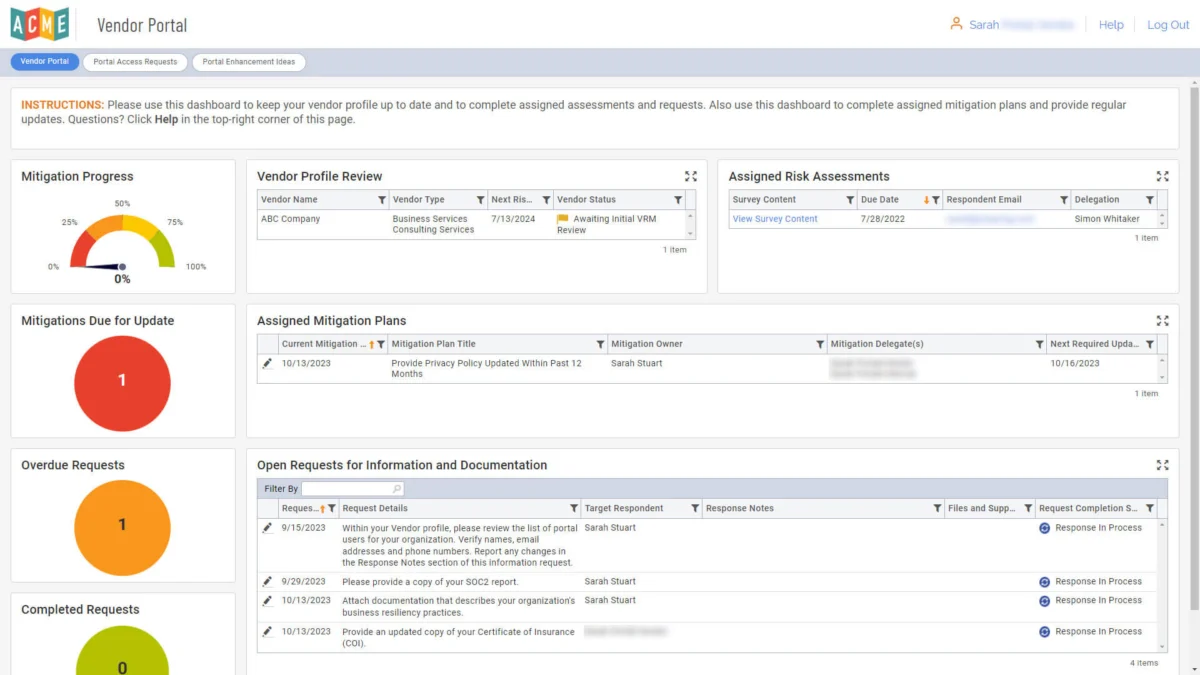
7. Onspring: The No-Code Competitor to LogicGate
For organizations that appreciate LogicGate’s no-code philosophy but find its UI lacking, Onspring offers a compelling alternative. It is a highly flexible platform that allows users to build custom apps and workflows for everything from vendor risk management to business continuity planning.
Technical Strengths:
Onspring’s reporting engine is widely considered one of the best in the industry, offering real-time dashboards that can be customized for different stakeholders, from technical teams to the Board of Directors. Its "drag-and-drop" builder is often described as more intuitive than LogicGate’s, with a shorter learning curve.
Market Positioning:
- Pros: Superior customization, excellent data visualization, and a broad range of use cases beyond just IT compliance.
- Cons: The high degree of flexibility means that initial setup requires more strategic planning than "plug-and-play" tools like Vanta.
Supporting Data: The Rising Cost of Non-Compliance
The shift toward these advanced GRC platforms is driven by the escalating costs associated with failure. According to the "Cost of a Data Breach Report 2023" by IBM and the Ponemon Institute, the average global cost of a data breach reached $4.45 million, a 15% increase over three years. Furthermore, organizations that utilized high levels of security AI and automation saved an average of $1.76 million compared to those that did not.
Regulatory fines also continue to reach record highs. In 2023, the Irish Data Protection Commission fined Meta €1.2 billion for GDPR violations. For smaller companies, the risk is existential; studies suggest that 60% of small businesses close within six months of a significant cyberattack. These figures underscore why GRC software is no longer a luxury but a fundamental requirement for business continuity.
Strategic Analysis: How to Choose the Right Alternative
The selection of a GRC platform must be a data-driven decision based on the specific "maturity model" of the organization.
- For Early-Stage Startups: Priority should be placed on speed and automation. Vanta and Sprinto are the frontrunners here, as they allow small teams to achieve SOC 2 readiness without hiring a full-time compliance officer.
- For Mid-Market Growth Companies: These organizations often need a balance of automation and customization. Hyperproof and Drata offer the scalability required to manage increasing complexity without the overhead of an enterprise-level system.
- For Large Enterprises and Regulated Industries: AuditBoard and Onspring are the preferred choices. These platforms provide the depth of risk mapping, advanced internal audit capabilities, and high-level reporting that C-suite executives and boards demand.
Market Sentiment and Implications
The GRC industry is currently undergoing a "consolidation and intelligence" phase. Analysts observe that vendors are increasingly incorporating Generative AI to assist in policy drafting and risk prediction. The reaction from the market has been largely positive, though concerns regarding AI accuracy and data privacy remain.
The implication for businesses is clear: the era of "static compliance"—where an audit was a once-a-year event—is over. We are moving toward a future of "Continuous Trust," where an organization’s compliance status is updated every minute. Platforms that can successfully integrate AI automation with user-friendly interfaces will likely dominate the market, while legacy systems that fail to evolve their UI and integration capabilities risk obsolescence.
In conclusion, while LogicGate remains a powerful tool for those who require extreme customization, the rise of competitors like Drata, Vanta, and AuditBoard has provided organizations with more specialized and efficient paths to compliance. By carefully weighing factors such as company size, technical stack, and budget, leadership teams can select a GRC partner that not only mitigates risk but also serves as a catalyst for institutional trust and growth.