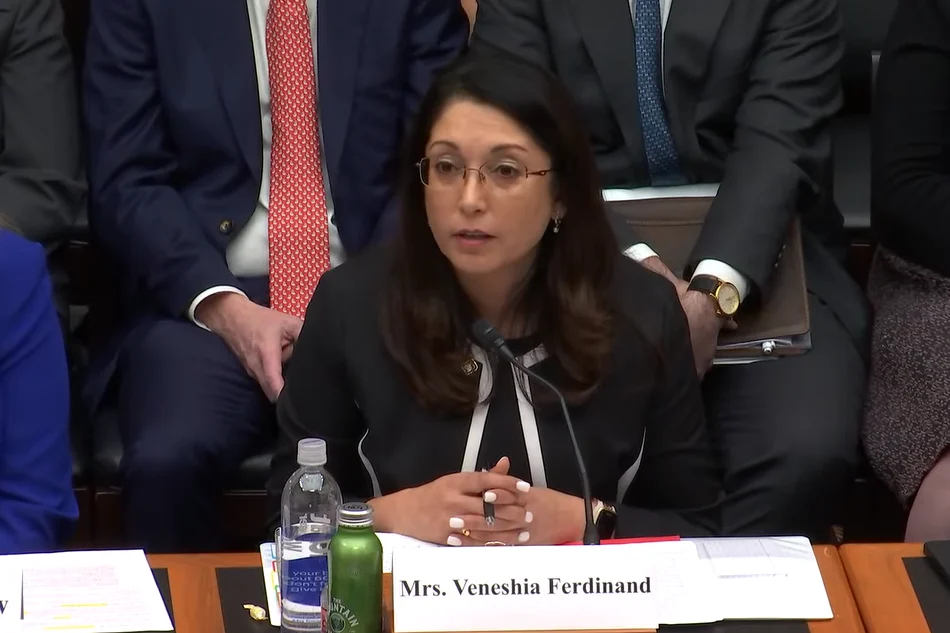
Veneshia Ferdinand, assistant vice president and director of compliance policy at Simmons Bank, delivered a compelling address to the House Financial Institutions Subcommittee today, underscoring the pivotal role of the Fair Credit Reporting Act (FCRA) in safeguarding consumers and fostering a robust credit market. Testifying during a hearing specifically convened to explore avenues for promoting credit access, Ferdinand, speaking on behalf of the American Bankers Association (ABA), articulated a clear and urgent message to lawmakers: any legislative or regulatory adjustments to the FCRA must prioritize maintaining data accuracy and avoiding undue complexity to prevent unintended consequences that could stifle credit availability for hardworking Americans.
Ferdinand’s testimony, meticulously detailed in her prepared remarks, highlighted the intricate position banks occupy within the credit reporting ecosystem. They are not merely recipients of credit information but also active furnishers, contributing vital data that shapes consumer credit profiles. This dual role, she emphasized, positions banks as central stakeholders with a profound understanding of the practical implications of FCRA compliance and its impact on both consumers and the financial institutions serving them.
A Call for Clarity and Pragmatism in FCRA Regulation
The core of Ferdinand’s argument revolved around the imperative for clear, consistent, and realistically implementable rules governing the FCRA. She asserted that without these foundational elements, compliance efforts risk devolving into bureaucratic hurdles rather than delivering tangible consumer protections. “Clear, consistent rules and realistic implementation timelines are critical to ensuring that compliance efforts translate into meaningful consumer protection rather than procedural complexity for banks,” Ferdinand stated directly to the subcommittee members. This sentiment was further elaborated, with Ferdinand warning that “Laws and regulations that increase FCRA compliance costs without meaningful consumer benefits needlessly drive up the cost of credit and other bank services and make financial services more expensive.”
This statement carries significant weight, suggesting a potential economic ripple effect. When banks face increased compliance burdens, these costs are often absorbed or passed on to consumers. This can manifest as higher interest rates on loans, increased fees for banking services, or even a more cautious approach to lending, particularly to individuals with less-than-perfect credit histories. The ABA’s position, as articulated by Ferdinand, is that any proposed changes to the FCRA should undergo rigorous scrutiny to ensure that the intended consumer benefits outweigh the potential economic costs and complexities introduced.
Protecting the Integrity of the Consumer Reporting System
Beyond the operational and economic considerations, Ferdinand also addressed a fundamental threat to the effectiveness of the credit reporting system itself. She cautioned against legislative measures that could inadvertently undermine the very foundation of responsible lending. Specifically, she noted that “laws and regulations that ban reporting accurate, negative consumer information undermine the consumer reporting system and impede it from functioning as intended.”
This point is crucial. The FCRA, at its heart, is designed to facilitate informed lending decisions. This involves the accurate reporting of both positive and negative credit behaviors. Accurate reporting of negative information, such as late payments or defaults, serves as a vital signal to lenders, allowing them to assess risk appropriately. Without this information, lenders would be forced to operate with an incomplete picture, potentially leading to increased defaults, higher borrowing costs for all, and a contraction of credit availability. Ferdinand’s argument suggests that proposals that seek to shield consumers from the reporting of all negative information, regardless of its accuracy, could paradoxically harm those they aim to protect by making credit less accessible and more expensive.
Background: The Evolving Landscape of Credit Access and FCRA
The hearing before the House Financial Institutions Subcommittee is part of a broader ongoing dialogue in Washington D.C. concerning the accessibility of credit in the United States. In recent years, there has been increased attention on how regulatory frameworks impact the ability of consumers, particularly those in underserved communities, to obtain loans for essential needs such as mortgages, auto financing, and small business capitalization.
The FCRA, enacted in 1970, was a landmark piece of legislation designed to promote the accuracy, fairness, and privacy of consumer information contained in the files of consumer reporting agencies. It established a framework for how credit information is collected, used, and disseminated, granting consumers rights such as the right to access their credit reports, dispute inaccuracies, and have their credit information kept confidential. Over the decades, the FCRA has been amended and supplemented by subsequent legislation, reflecting changes in technology, financial products, and societal expectations.
The current examination by the House subcommittee likely stems from a confluence of factors: the lingering economic impacts of the COVID-19 pandemic, rising inflation, and persistent concerns about financial inclusion. Lawmakers are tasked with balancing the need to protect consumers from predatory practices and unfair reporting with the imperative to ensure that a healthy flow of credit is available to fuel economic growth and individual prosperity.
The Banker’s Perspective: A Stakeholder in the Credit Ecosystem
Ferdinand’s testimony represents the organized voice of the banking industry, which is deeply invested in the efficacy and fairness of the credit reporting system. Banks, as mentioned, are both users and furnishers of credit data. As users, they rely on accurate credit reports to make sound lending decisions, manage risk, and comply with regulatory requirements. As furnishers, they have a legal and ethical obligation to report consumer account information accurately to credit bureaus.
The ABA, representing thousands of banks of all sizes, regularly engages with policymakers on issues that affect their operations and their ability to serve customers. Their advocacy often centers on ensuring that regulations are practical, cost-effective, and do not create undue burdens that could hinder their business and, by extension, their service to the public. In this instance, the ABA’s message to Congress is one of caution: while the goal of promoting credit access is laudable, the methods employed must be carefully considered to avoid unintended negative consequences.
Supporting Data and the Mechanics of Credit Reporting
To understand Ferdinand’s concerns, it’s helpful to consider some basic data points and the mechanics of credit reporting:
- Volume of Data: Millions of consumer credit transactions are reported daily to the three major credit bureaus (Equifax, Experian, and TransUnion). This data forms the basis of credit scores, which are critical for loan approvals.
- Impact of Inaccuracies: A study by the Federal Trade Commission (FTC) in 2012 found that approximately 5% of consumers had errors on their credit reports that could affect their credit scores. While this percentage might seem small, it translates to millions of individuals whose access to credit or its cost could be negatively impacted.
- FCRA Compliance Costs: While specific figures are proprietary to individual institutions, industry estimates suggest that compliance with financial regulations, including those related to FCRA, represents a significant operational cost for banks. These costs can range from investments in technology and training to dedicated personnel.
- Credit Availability Metrics: Various economic indicators track credit availability, such as the Federal Reserve’s Senior Loan Officer Opinion Survey (SLOOS), which gauges banks’ willingness to lend. Changes in these surveys can reflect shifts in lending standards influenced by regulatory environments.
Ferdinand’s emphasis on “procedural complexity” likely refers to the intricate web of rules and requirements within the FCRA. For instance, the FCRA mandates specific timeframes for dispute resolution, requirements for furnishing information, and procedures for handling adverse action notices. Any new layer of regulations or interpretations could add to the complexity of navigating these existing mandates.
Potential Implications of Unintended Consequences
The core concern articulated by Ferdinand is that poorly conceived changes to the FCRA could lead to a reduction in credit availability. This could manifest in several ways:
- Increased Lending Costs: If banks face higher compliance costs or are forced to absorb greater risk due to inaccurate or incomplete data, they may increase interest rates or fees to compensate.
- Tighter Lending Standards: In an effort to mitigate perceived risks associated with regulatory uncertainty or data limitations, banks might become more conservative in their lending practices, requiring higher credit scores, larger down payments, or more collateral.
- Reduced Access for Subprime Borrowers: Consumers with lower credit scores, who already face challenges in accessing credit, could be disproportionately affected if lending becomes more restrictive.
- Erosion of the Credit Reporting System’s Value: If the system is perceived as less accurate or less reliable, its utility for both consumers and lenders diminishes, potentially hindering the efficient allocation of capital.
A Look Ahead: The Legislative Path Forward
The testimony from Veneshia Ferdinand and the broader context of the House Financial Institutions Subcommittee hearing signal an ongoing deliberative process. Lawmakers will weigh the concerns raised by bankers, consumer advocacy groups, and other stakeholders as they consider potential legislative reforms.
The ABA’s stance is clear: prioritize data accuracy, maintain simplicity where possible, and ensure that any changes are evidence-based and demonstrably beneficial to consumers without unduly burdening the financial system. As the discussions progress, the focus will likely remain on finding a delicate balance that strengthens consumer protections while preserving the accessibility and affordability of credit, which is a cornerstone of economic opportunity for millions of Americans. The coming months will reveal whether policymakers heed the call for a pragmatic and measured approach to FCRA reform, or if they opt for measures that could inadvertently create new challenges in the pursuit of improved credit access.